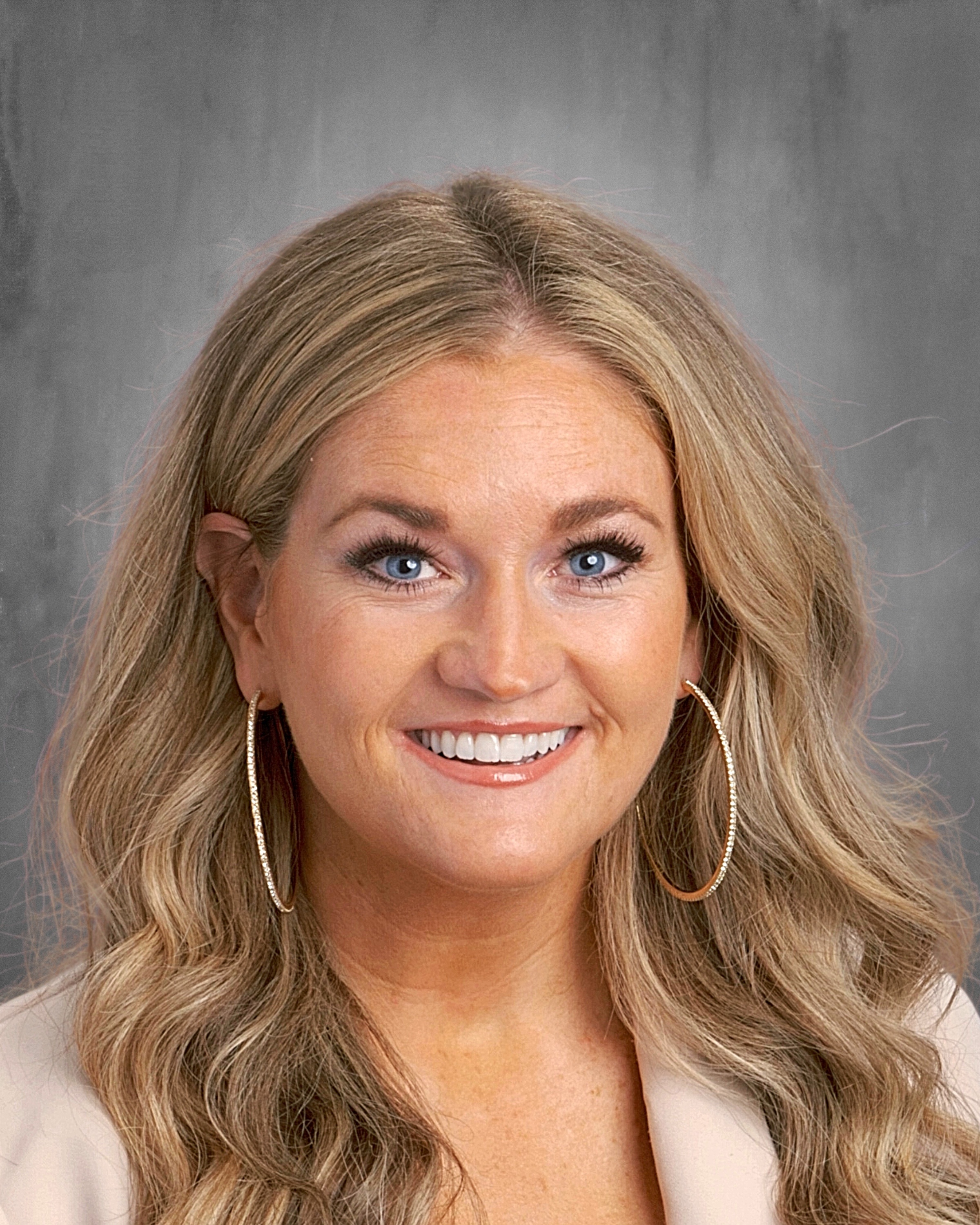
Maria King became principal of Wasatch School in Davis District↗ET on June 16, 2026, succeeding Julie Larsen. Asked what drew her to the job, she pointed to elementary education itself and to the community the K-6 school serves in Clearfield.
"What drew me to leading Wasatch is the opportunity to be involved in students' education from the very beginning," King wrote in response to written questions from The UTEdTribune. "I want to support students in their learning, support teachers in the classroom, and empower parents to help teach and guide their children throughout their educational journey. The Clearfield community is truly special, and I am beyond excited to be a part of it. I love elementary education and the opportunity to create a school where kids feel safe, loved, known, and excited to learn."
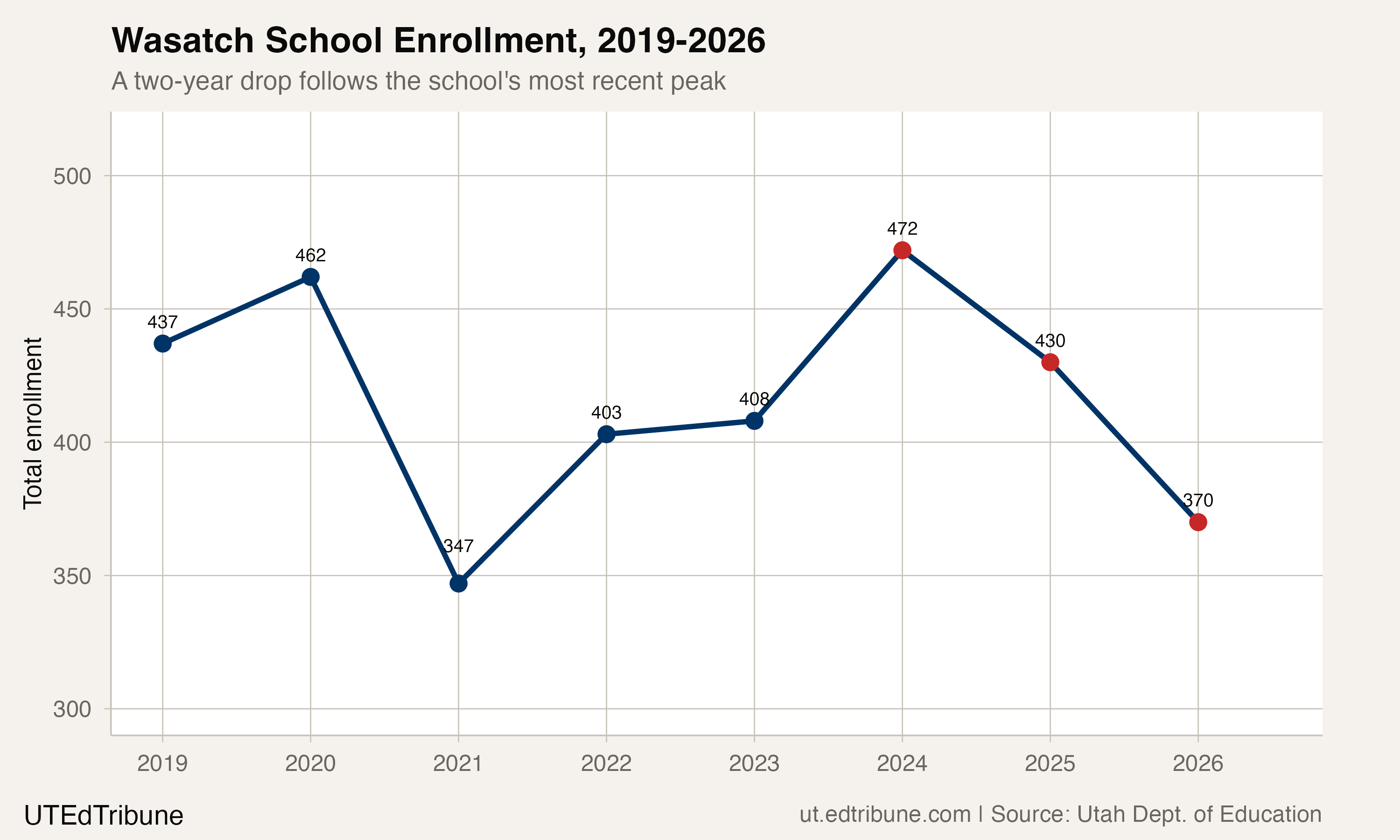
She takes the role at a school whose enrollment has moved sharply in the past two years. Wasatch enrolled 370 students in kindergarten through sixth grade in 2025-26, the most recent year in the state's published enrollment data, plus a separate prekindergarten program of 35 students that the state counts outside that total. The 370-student K-6 count is down 102 students, or 21.6%, from a recent high of 472 in 2023-24. Most of that drop happened in a single year: enrollment fell from 430 in 2024-25 to 370 in 2025-26, a loss of 60 students, or 14%.
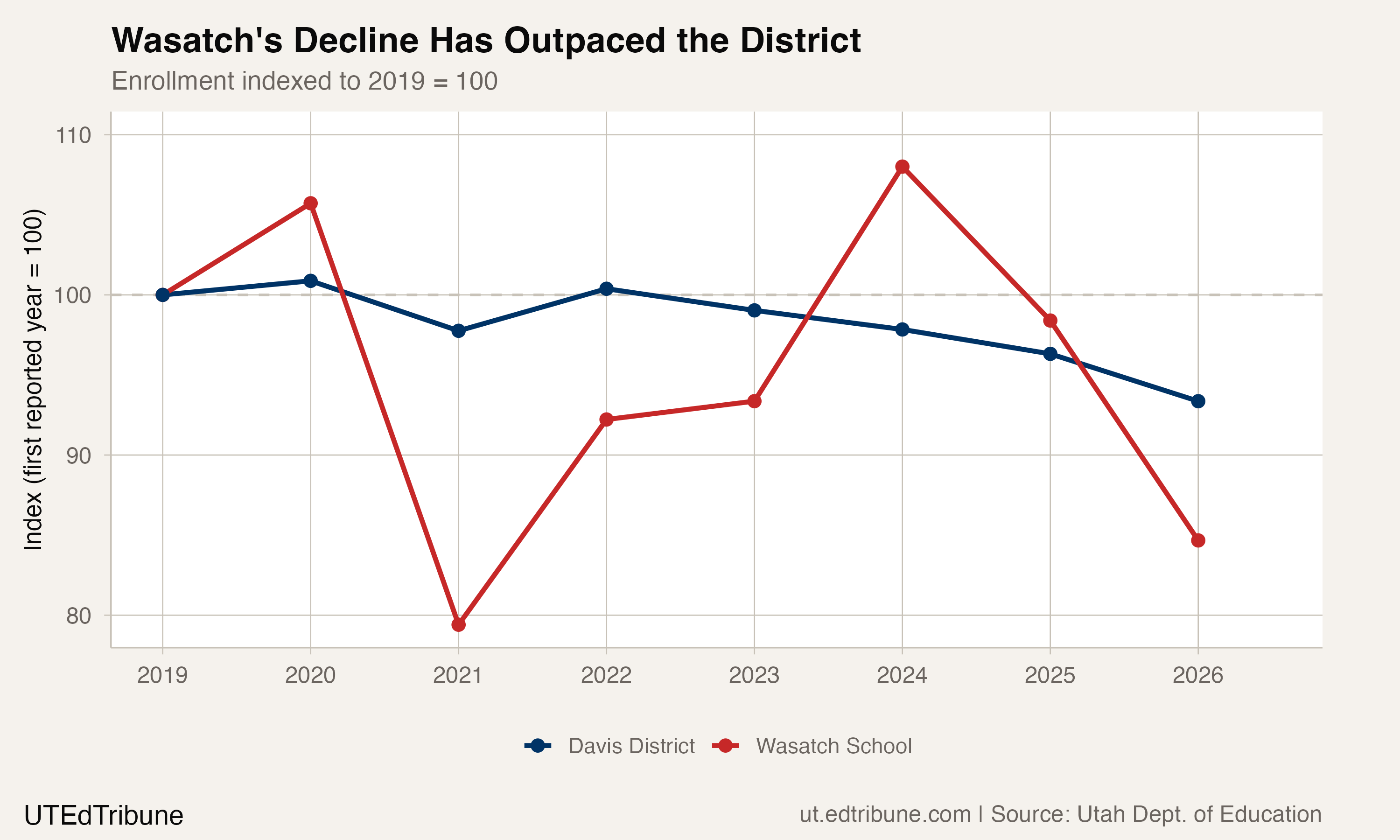
The decline is not confined to Wasatch. Davis District enrolled 67,466 students in 2025-26, down 4,797 students, or 6.6%, from 72,263 in 2018-19, its fourth straight year of enrollment loss in the state's published data. Wasatch's own percentage decline since 2018-19, 15.3%, is more than double the district's rate over the same span, though a single elementary school of 370 students can swing on far less than a district the size of Davis. One year's kindergarten class being smaller than the sixth grade it replaces moves the campus number by percentages a district-wide count would barely register.
The UTEdTribune's questions to King were about her and the school, not the enrollment numbers. Asked what she wants families and staff to know about how she is starting, she described listening first.
"I'm starting by listening, learning, and building relationships," she wrote. "I want to understand what makes Wasatch special, celebrate what is already working, and find ways we can grow together. Most importantly, I want people to feel heard, supported, and valued. I truly believe we are Better Together, and when we work together, we can create something really special—creating magic for our students every day."
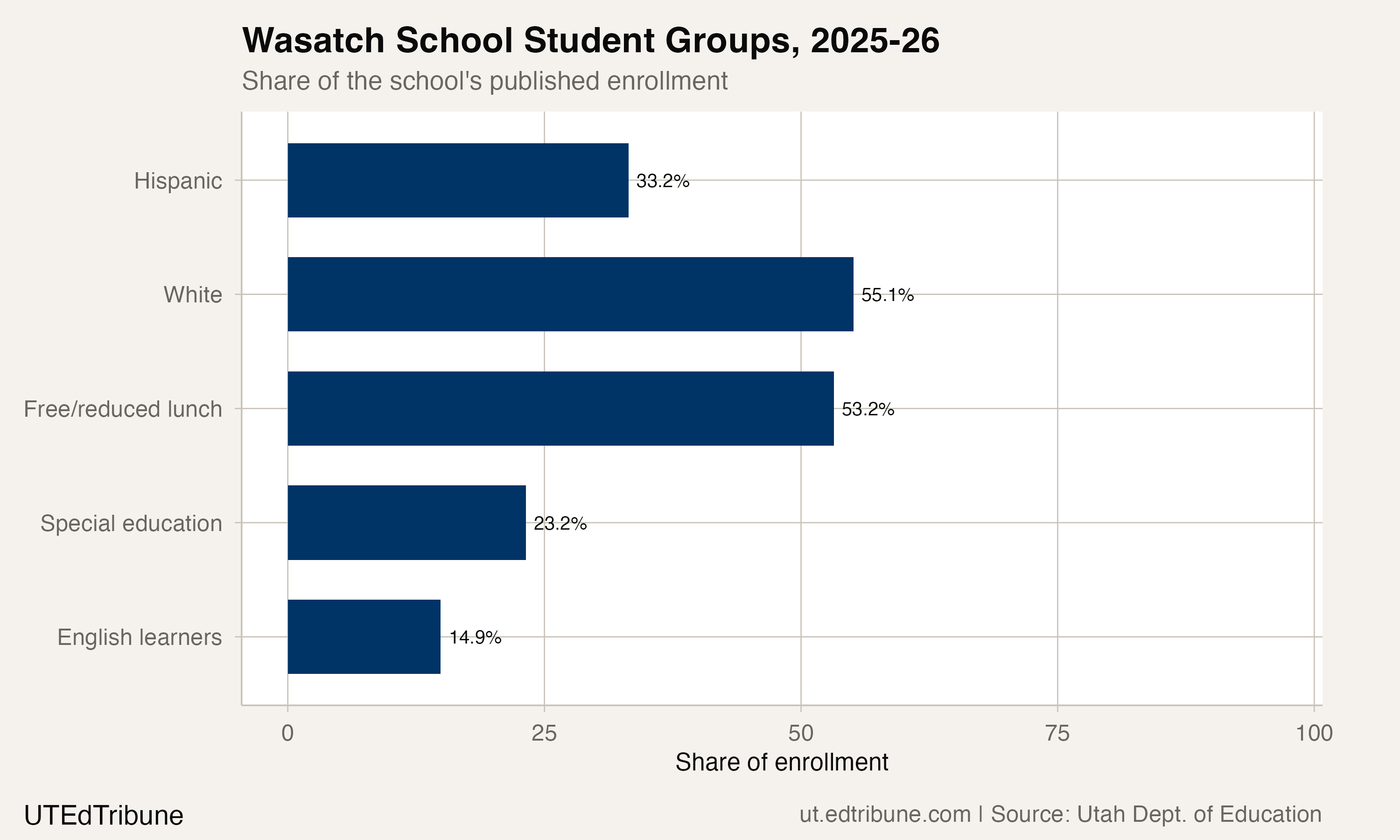
Wasatch's 2025-26 K-6 enrollment is 33.2% Hispanic and 55.1% White, according to the state's published file, with smaller shares of multiracial, Pacific Islander, Asian, Black, and Native American students. Just over half of students, 53.2%, qualify for free or reduced-price lunch. Students in special education are 23.2% of enrollment and students classified as English learners are 14.9%, categories that can overlap with race and with each other rather than sum against the total.
The grade-by-grade count in 2025-26 shows an uneven pipeline rather than a smooth decline. Second grade was Wasatch's largest class that year at 67 students, while kindergarten, the grade that will anchor the school's enrollment for the next several years, was its smallest at 41. That kindergarten cohort was 26 students smaller than the second-grade class two grades ahead of it, a gap that will move through the building as a smaller cohort in the coming years regardless of what happens with total enrollment.
Asked what outsiders tend to miss about the school, King pointed to the adults in the building rather than to any number.
"I think people might miss just how much heart there is at Wasatch," she wrote. "Our staff genuinely know and care about their students and show up for them every day. There is a real sense of family here, and I feel incredibly lucky to be part of it."
The state has not yet published 2026-27 enrollment, so whether the two-year decline continues, levels off, or reverses is not yet visible in any published data. What King named as most important in her first months is something no enrollment file measures: that people at Wasatch feel heard, supported, and valued.
Enrollment and student-group figures come from the Utah State Board of Education public enrollment record, covering 2018-19 through 2025-26. Prekindergarten is counted separately from the K-6 total, as the state reports it. King answered written questions from The UTEdTribune on August 11 and supplied the headshot used with this profile.
Detailed code that reproduces the analysis and figures in this article is available exclusively to EdTribune subscribers.
Discussion
Sign in to join the discussion.
Loading comments...